
Choosing a topical can feel hard when many options sit on the shelf. Cannabis topical products come in creams, lotions, oils, balms, and salves. Each type has a different feel. First-time buyers may not know which one fits their needs or skincare routine.
The right choice starts with simple product checks. Look at the formula and cannabinoid content. Then check the full ingredient list and product directions. Your skin type also matters. Now let’s look at the main topical cannabis options and how they differ from other cannabis products.
What Makes Cannabis Topical Products Different?
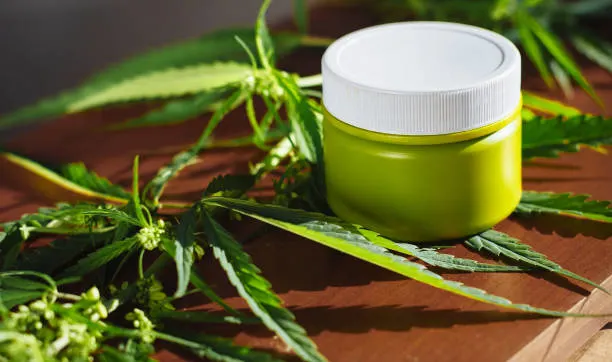
Cannabis topical products are made for use on the skin. They differ from products made for eating or inhaling. Common forms include creams, lotions, oils, balms, and salves. These products are often made for use on a specific area of the skin. The way a topical feels can depend on its formula. The cannabinoid type can also differ between products. Some formulas use CBD while others use THC. Some include both. These topical skin products can work with other skin care ingredients in the same formula.
The way a topical feels can depend on its formula. The cannabinoid type can also differ between products. Some formulas use CBD while others use THC. Some include both. These topical cannabinoids can work with other skin care ingredients in the same formula.
Most standard topicals are made for skin use. Transdermal products are different because they are designed to pass through the skin. Always check the product label before use. This helps you understand the intended use of each cannabinoid topical product.
How Six Simple Steps Can Improve Topical Use
Good cannabis topical product use starts with a clear plan. Read the label before putting anything on your skin. A slow start can help you understand how a product feels.
1. Identify the Area and Purpose Before Choosing the Product
Start by deciding where you plan to use the product. Think about how it will fit into your routine. A cream may suit one area while an oil may suit another. This makes cannabis topical creams easier to compare with other forms.
2. Check the Label Cannabinoid Content and Ingredients
Read the full label before using the product. Check the cannabinoid type and amount. Then review the other ingredients. Look for clear use directions and warnings. This helps you compare cannabis product labels with more confidence.
3. Test a Small Amount on an Appropriate Area
A small test can help you see how your skin responds. Use an appropriate area when practical. Watch for redness, itching, or other irritation. This step can help you use cannabis topical oils with more care.
4. Apply a Modest Amount to Clean, Dry Skin
Clean and dry skin can make application easier. Use a modest amount instead of covering the skin with too much product. Follow the label for the right amount. This simple step supports careful use of topical cannabis products.
5. Massage or Spread According to the Product Instructions
Spread the product as directed on its label. Some formulas may need gentle rubbing. Others may have different use steps. Avoid rough handling of the skin. Proper use helps you get familiar with the feel of different cannabis topical formulations.
6. Monitor the Skin and Adjust Future Use
Pay attention to how your skin looks and feels. Stop using the product if you notice irritation or an unexpected reaction. Follow the label before using it again. This helps you use cannabis topical products in a more careful way.
What Are the Pros and Cons of Cannabis Topicals?
Cannabis topical products can offer useful choices for people who prefer skin-based products. They come in many textures and formats. Still, they are not right for everyone. The formula and ingredients can affect how the product feels on your skin.
Pros
- Targeted application. You can apply the product to a chosen area rather than taking it by mouth.
- Many formats. Creams, lotions, oils, balms, and salves offer different textures and use styles.
- No inhalation. Topicals do not require smoking or vaping. This can suit people who prefer skin use.
- Fits skin care routines. Some formulas include oils, butters, or other skin care ingredients.
- Different cannabinoid choices. Products may contain CBD, THC, or other cannabinoids. This gives buyers more choices.
Cons
- Results can vary. People may respond differently to the same product.
- Skin sensitivity matters. Some ingredients may cause redness, itching, or other irritation.
- Claims can vary. Some marketing claims may go beyond the available evidence.
- Some formulas feel heavy. Balms and salves may feel greasy or thick on skin.
- Product quality can differ. Cannabinoid amounts and ingredient quality may vary between products.
These points matter when comparing topical treatment benefits. A topical should not replace medical care for serious or lasting health concerns. It is better to ask a health expert when symptoms do not improve.
Which Cannabis Topical Format Fits Your Routine Best?
The best cannabis topical product format depends on your routine. Creams can feel light and spread with ease. Lotions may suit larger skin areas. Balms and salves often feel thicker. Oils can spread well and may suit massage routines. You can also find sprays and roll-ons. These may be useful when you want quick and simple use. A balm may work better for someone who likes a firm texture. A cream may suit someone who prefers a softer feel.
There is no single best format for everyone. Think about the area and how you want the product to feel. Your choice should fit your daily routine and personal needs. This makes cannabis topical creams easier to compare with other options.

Creams and Balms Serve Different Topical Purposes
| Feature | Cannabis Cream | Cannabis Balm | Best Fit |
| Texture | Soft and easy to spread | Thick and firm | Based on skin feel |
| Water or oil phase | Often includes water and oils | Usually oil-based | Depends on formula |
| Skin feel | Often lighter | Often richer | Personal choice |
| Spreadability | Usually easy to spread | Needs more rubbing | Cream for easy spread |
| Portability | Good for home use | Easy to carry | Both can work. |
| Common routine | Daily skin care | Targeted skin care | Based on preference |
A cannabis cream may suit people who like a light texture. A cannabis balm may appeal to those who prefer a thicker formula. Salves are similar to balms in many ways. Always check the actual formula because products can vary.
How Cannabinoids Shape the Topical Experience
When choosing cannabis topical products, the cannabinoid label gives useful details. CBD and THC are common choices. Some formulas may contain both. The amount listed can vary by product and brand. CBD is common in many CBD topicals. THC is also used in some topical formulas. The amount of each cannabinoid does not tell the whole product story. The base formula and other ingredients can also affect how the product feels.
Newer cannabinoids such as CBG and CBDA are also being studied. Research is still developing for many of these compounds. They should not be treated as proven replacements for CBD or THC. Read the actual label before choosing a product.
What Ingredients Matter Beyond CBD and THC?
The non-cannabinoid ingredients in cannabis topical products can change how a formula feels. They can affect texture, scent spread, and skin feel. This makes the full ingredient list important for anyone comparing cannabis topical formulations.
- Carrier oils and emollients. These can help give a formula a smooth feel. Common oils may include coconut or jojoba oil.
- Butters and waxes. These can make a balm thicker. They may also affect how easily the product spreads.
- Botanical extracts. Some formulas include plant extracts for scent or skin care purposes.
- Terpenes. Terpenes can add scent and may be included as part of the formula.
- Fragrance and essential oils. These can affect scent. They may also cause irritation for some people.
- Preservatives and stabilizers. These can help support product stability. Their use depends on the type of formula.
If your skin is sensitive, check the full ingredient list. Do not focus only on cannabinoid strength. This is also important when comparing cannabis-infused ointments and other skin products.
What Determines How Long a Topical Effect Lasts?

The time a cannabis topical product formula stays noticeable can vary. The product type matters. So does the amount used and the area where it is applied. Skin condition and daily activity may also affect the experience. A product staying on the skin does not always mean its effects will feel the same. These are two different things. Avoid using a fixed time as a rule for every formula.
Follow the product label when deciding if another application is suitable. Do not assume that more product will always work better. Tracking your own response can help you understand a cannabis topical formulation over time.
Can Daily Use Fit Into a Responsible Routine?
Daily use of topical cannabis products depends on the product and your skin. Read the label before making daily use part of your routine. Different formulas can have different directions and ingredients.
Watch for redness, itching, dryness, or other skin changes. Stop using a product if your skin reacts badly. Do not keep applying it just because the label says it is suitable for regular use. If you are using a topical for a lasting health concern, ask a health professional for advice. Skin care and health care needs can differ. This matters when adding cannabis skin care products to a daily routine.
Which Topical Options Work Best for Different Needs?
Choosing cannabis topical products starts with your main goal. Someone focused on skin care may prefer a lotion or cream. These formats can feel light and spread well. A person who enjoys massage may prefer an oil.
Roll-ons and sticks can offer easy use on smaller areas. Balms may suit people who prefer a thicker texture. Salves can also offer a rich feel. The right choice depends on the formula and how it fits your routine. Do not choose a product only because it has more cannabinoids. Check the ingredients and product directions too. This gives you a better way to compare topical cannabis options.
How to Read a Cannabis Topical Label Before Buying
Before buying cannabis topical products, take a few minutes to read the label. Clear product details can make it easier to compare formulas. The front label may not show everything you need.
- Cannabinoid type and amount. Check which cannabinoids are present. Look at the total amount when listed.
- Full ingredient list. Review every listed ingredient. This matters if you have known skin sensitivities.
- Product directions. Follow the stated amount and use the method. Do not assume another product uses the same amount.
- Batch or lot information. This can help with product tracking and quality checks.
- Testing information. Look for clear testing data when it is provided. Check that it relates to the product.
- Manufacturer details. A clear maker name and contact details can add useful product information.
- Warnings and storage instructions. Read these before opening the product. Follow the maker’s storage advice.
These checks are useful when comparing cannabis lab reports. They can also help you avoid products with unclear labels or unsupported claims.
What Should You Know Before Applying Topicals?
Read the label before using cannabis topical products for the first time. Use the product only as directed. Avoid contact with your eyes unless the product is made for that area. Be careful with broken or badly irritated skin. Do not use a product in ways that the label does not support. A small skin test may be useful when practical. Also think about other skin care products you use. Adding several new products at once can make irritation harder to trace. This matters when using cannabis salves with other skin products.
How Should Cannabis Topicals Be Stored for Quality?
Good storage helps protect cannabis topical products from changes in texture and scent. Keep the product sealed when not in use. Store it away from direct sunlight and strong heat. Some balms may become softer in warm rooms. This does not always mean the product is unusable. Still follow the maker’s storage directions. Avoid leaving products in hot cars or near heaters. Keep cannabis products away from children and pets. Store them in a secure place. This is especially important for products such as cannabis balm and cannabis oil that may look like normal skin products. Following cannabis storage guidelines can help maintain product quality.
Keep cannabis products away from children and pets. Store them in a secure place. This is especially important for products such as cannabis balm and cannabis oil that may look like normal skin products.
What Mistakes Can Reduce the Value of a Topical?
Many users focus on cannabinoid numbers when choosing cannabis topical products. This can cause them to overlook other useful details. A better approach is to review the full product before buying or using it. Using too much product at once is another common mistake. More does not always mean better. Follow the label and start with the stated amount.
Changing several skin products at the same time can also cause problems. If irritation appears, you may not know which product caused it. Ignoring the ingredient list is another mistake. Even a good formula may not suit every skin type. Check the ingredients before use.
Poor storage can also affect a product. Keep it away from heat and strong light. Follow the maker’s storage guide. Finally, do not ignore product claims. Look for clear details instead of choosing based on bold promises. This helps you compare cannabis topical options with more care.
How Can You Choose the Right Cannabis Topical?
Choosing cannabis topical products becomes easier when you start with your purpose. Think about where you plan to apply the product. Then consider the texture you prefer. Finally, review the cannabinoid and ingredient details.
Match the Formula to Your Intended Use
Choose a cream, lotion, balm, salve, or oil based on your routine. Think about spreadability and texture. A roll-on may suit smaller areas. A lotion may work better for larger skin areas. These details can help narrow your topical cannabis options.
Evaluate Cannabinoids and Supporting Ingredients
Check the CBD or THC amount before buying. Then read the full ingredient list. Look for clear directions and quality details. Do not assume higher cannabinoid levels make a product better. This approach helps you compare CBD topicals and THC topicals more fairly.
Final Thoughts on Choosing Cannabis Topical Products
Choosing cannabis topical products does not need to feel confusing. Start with the product format and your intended use. Alaska Cannabis Exchange can help you explore suitable options. Then review the cannabinoid type and amount. Check the full ingredient list before making your choice.
Creams, lotions, balms, oils, and salves all have different textures. Some may fit your routine better than others. The right option depends on personal needs and skin response. There is no single formula that works best for everyone.
Always follow the product label and storage guide. Stop using a product if it causes an unexpected reaction. If you want to learn more about suitable cannabis skin care products, contact us for clear product information and guidance.
FAQs About Cannabis Topical Products
Cannabis topicals come in many forms, and choosing between them can raise practical questions for new buyers. The right option depends on ingredients, texture, cannabinoids, application, and personal needs. These common questions cover key points to consider before choosing a topical.
Cannabis topicals are made for skin use. People may choose them for skin care or personal routines. Product purposes vary, so always check the label before use.
Most standard skin topicals are not designed to create the same effects as inhaled or edible cannabis. Transdermal products differ, so check the label carefully.
There is no fixed time for every topical. Formula type, skin condition, amount, and application area can affect when users notice changes from the product.
Daily use depends on the product and its directions. Follow the label and watch your skin for irritation. Stop use if you notice an unexpected reaction.
Creams often feel lighter and spread easily. Balms tend to feel thicker and richer. The better choice depends on texture, application area, and your personal routine.