
Many people dealing with pain, irritation, or medication side effects often look for safer, more targeted options. The benefits of topical treatments include applying relief directly to the affected area without affecting the whole body. These localized methods are preferred for their simplicity and control. Many users notice clearer skincare topical benefits compared to oral alternatives in daily care routines.
Why Localized Treatments Reduce Whole-Body Exposure

Localized treatments work by delivering relief directly to the affected area instead of spreading through the entire body. This focused approach supports the benefits of topical medication because ingredients act exactly where needed, reducing unnecessary systemic exposure. For many users, this targeted method feels simpler and more controlled in everyday care.
People often choose this approach when dealing with muscle soreness, skin irritation, or minor swelling. Unlike oral options that travel through digestion and the bloodstream, topical applications stay on the surface or nearby tissue. This is why many consider the advantages of topical creams more suitable for localized discomfort and faster surface-level comfort.
Direct Application Compared With Internal Medication
Topical products are applied directly to the skin, allowing localized absorption at the treatment site. Oral medication, however, must pass through the digestive system before entering circulation, which can affect the whole body. This difference explains why topical treatments are better than oral medication for targeted relief without broader systemic impact.
Reasons Patients Prefer Targeted Relief Methods
Patients prefer targeted options because they reduce the chance of whole-body side effects and offer easier application. For example, a person with knee pain may apply a cream only to the joint instead of taking a pill. This approach supports focused care and aligns with the growing demand for safer, localized treatment solutions.
Comparison Table: Oral vs Topical Approaches
| Feature | Oral Medication | Topical Treatment |
| Action Area | Whole body | Localized area |
| Onset Speed | Slower | Faster for surface relief |
| Side Effects | Higher risk | Lower risk |
| Application | Swallowed | Applied on skin |
Faster Comfort Through Surface-Level Ingredient Delivery
Topical products are designed to deliver active ingredients directly through the skin surface, where they interact with nearby tissues. This focused action supports the benefits of topical medication by targeting discomfort without needing full-body circulation. Many users notice that relief feels quicker because the application is localized and starts working right at the treatment site.
Some formulas provide faster soothing because they are designed for quick skin penetration or surface-level activity. Cooling gels, anti-inflammatory creams, and medicated patches are common examples used for muscle strain, swelling, or minor irritation. These products highlight how topical treatments help in fast pain relief through direct contact and steady ingredient release over time.
Step-by-Step Ingredient Delivery Flow
1. Apply product directly to clean skin.
2. Ingredients spread across the surface layer
3. Active compounds begin interacting with skin receptors.
4. Soothing effect starts at the localized tissue level
5. Gradual absorption continues for longer comfort
Why Some Products Work Faster Than Others
Cooling gels often act quickly due to fast evaporation and surface stimulation, creating an instant cooling sensation. Patches release ingredients slowly but consistently, offering longer support. Creams balance both speed and hydration, making them suitable for ongoing care. These differences show clear topical treatment benefits depending on product design and usage needs.
Skin Barrier Support From Proper Topical Care Routines
Proper topical care routines help maintain the skin’s natural balance by supporting hydration and surface protection. Regular use can improve moisture levels and reduce dryness, which is one of the key skincare topical benefits. For people with sensitive or inflamed skin, consistent application may help reduce discomfort and maintain a more stable skin barrier over time.
These routines are especially useful for dry patches, mild irritation, or seasonal sensitivity. The health benefits of using topical creams regularly are linked to how well the skin retains moisture and protects itself from external stress. Many users also notice the advantages of topical creams when choosing formulas that match their skin type and condition.
Moisture Retention and Protective Skin Functions
The skin barrier works like a protective shield that keeps moisture in and irritants out. When it is supported with proper topical care, it becomes less prone to dryness and sensitivity. For example, someone using a moisturizing cream during winter may notice less cracking and improved comfort compared to untreated skin.
Ingredients Commonly Used For Daily Skin Support
- Hyaluronic acid – helps retain moisture
- Glycerin – draws water into the skin
- Ceramides – strengthen skin barrier
- Aloe vera – soothes mild irritation
- Panthenol – supports healing and hydration
These ingredients are commonly found in daily-use formulas designed to maintain balance and comfort while keeping expectations realistic and focused on gentle, ongoing skin support.
Situations Where Creams Help Calm Swelling And Irritation
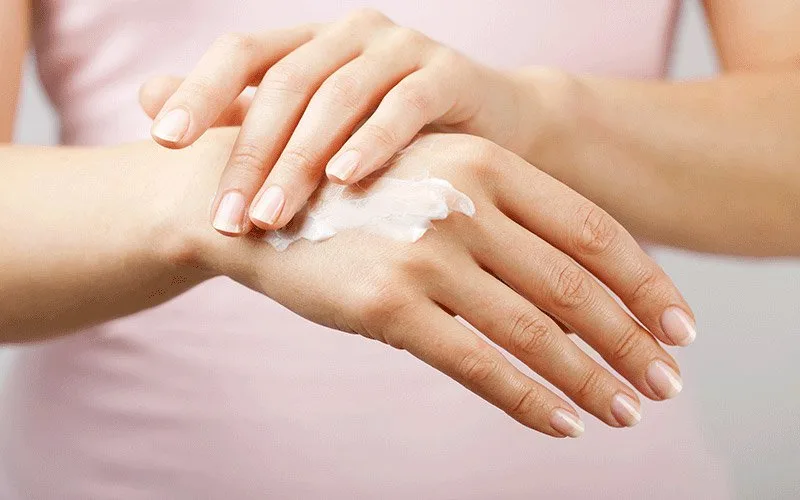
Topical creams are commonly used when the skin or nearby tissues show signs of swelling, redness, or mild inflammation. The benefits of topical treatments for inflammation and swelling come from their ability to act directly on the affected area, helping reduce discomfort without affecting the whole body. This makes them useful for everyday issues like joint stiffness, minor injuries, or skin irritation.
Many people use creams for temporary soothing after physical activity or minor skin reactions, while long-term care may involve consistent routines and proper skin management. The benefits of topical medication are often noticed in quick surface relief, especially when compared with internal options. These topical treatment benefits make creams a practical choice for localized and controlled care, as discussed in cannabis modern popularity.
Common Real-World Situations
- Knee swelling after long walking or exercise
- Redness from mild skin irritation or shaving
- Wrist discomfort from repetitive typing work
- Localized muscle soreness after gym workouts
- Minor insect bite inflammation
A simple example is someone applying a cooling cream after a workout to reduce muscle tightness in one area, rather than treating the entire body.
Creams vs Gels vs Ointments
| Form | Texture | Best Use | Effect Duration |
| Creams | Balanced, soft | Everyday irritation | Medium |
| Gels | Light, cooling | Fresh inflammation | Fast but short |
| Ointments | Thick, protective | Dry or cracked skin | Long-lasting |
Creams provide a middle ground, while gels act quickly and ointments offer stronger moisture protection. Each supports different needs depending on skin condition and severity of symptoms.
Step-Based Review Process Before Therapy Authorization
Healthcare providers, insurers, and pharmacies all play a role in reviewing the request. Providers submit clinical details, insurers verify coverage, and pharmacies prepare the approved product. This coordinated system helps ensure topical treatment benefits are delivered safely and effectively while maintaining proper medical oversight.
Step 1: Submission of Request
A healthcare provider submits a prescription request with patient condition details and recommended topical therapy.
Step 2: Insurance Verification
The insurer checks eligibility, coverage rules, and policy compliance before moving forward.
Step 3: Clinical Review
Medical reviewers assess condition severity and confirm if topical therapy is appropriate. This stage also considers how topical treatments help in fast pain relief for localized symptoms.
Step 4: Approval or Denial Decision
The request is either approved or denied based on medical necessity, safety guidelines, and policy terms.
Step 5: Final Notification
The patient, provider, and pharmacy are informed of the decision. Approved treatments are then prepared and provided with usage instructions.
Everyday Advantages Of Noninvasive Treatment Methods
Many users choose them for convenience, especially when managing mild discomfort or skin concerns at home. The benefits of topical treatments include simple application, targeted action, and reduced need for medical interventions like injections or oral medication, making them more accessible for everyday care.
These options are also widely used across different age groups because they are generally easy to apply and adjust based on personal needs. The advantages of topical creams are especially noticeable in home care routines, where users can manage minor irritation, dryness, or soreness without disrupting their schedule. This flexibility supports consistent self-care habits.
Easier Application During Busy Daily Schedules
Non-invasive products are quick to apply and require no special equipment or preparation. For example, a working professional may use a cream during a short break to manage muscle stiffness, making it easier to maintain comfort without interrupting daily tasks. This simplicity is one of the key skincare topical benefits, as highlighted in top cannabis stand out.Non-invasive products are quick to apply and require no special equipment or preparation. For example, a working professional may use a cream during a short break to manage muscle stiffness, making it easier to maintain comfort without interrupting daily tasks. This simplicity is one of the key skincare topical benefits.
Flexible Use Across Different Age Groups Safely
- Suitable for teenagers, adults, and older users
- Easy to apply without medical assistance
- Can be used at home or while traveling
- Adjustable based on skin sensitivity
- Supports routine wellness and comfort care
For instance, older adults often prefer creams over injections for mild joint discomfort due to ease of use and lower complexity.
Important Safety Habits Before Applying New Products

Before using any new skin product, safety checks are essential to avoid unwanted reactions. Patch testing and reading ingredient labels help users understand how their skin may respond. While there are health benefits of using topical creams regularly, improper use or sensitivity to certain ingredients can reduce their effectiveness and increase irritation risks.
Skin condition also plays a major role in how products react. Damaged, inflamed, or freshly treated skin may absorb ingredients faster, sometimes leading to stronger reactions than expected. The benefits of topical medication are best achieved when products are used carefully, following proper guidance and respecting skin sensitivity levels.
Common Safety Concerns to Watch
- Redness or itching after the first application
- Burning or stinging sensation on sensitive skin
- Allergic reaction to fragrance or active ingredients
- Increased irritation on broken or dry skin
- Overuse leading to dryness or discomfort
A simple example is when a user applies a strong cream on freshly shaved skin and experiences mild burning due to increased absorption and sensitivity.
Safety Checklist Before First-Time Use
- Always perform a patch test on a small skin area
- Read the full ingredient list carefully
- Avoid use on cuts or severely irritated skin
- Follow the recommended dosage and timing
- Consult a healthcare professional if unsure
- Stop use if an unusual reaction occurs
Following these steps helps maximize skincare topical benefits while minimizing risks and ensuring safer, more consistent results.
Comparing Different Product Types For Specific Concerns
Product choice also influences how quickly comfort is felt and how long it lasts. The advantages of topical creams often include balanced moisture and steady absorption, while other formats like gels or sprays focus more on speed and ease of application. Each option supports different lifestyles, from active sports recovery to everyday skin care routines, as discussed in vapes cigarettes comparison.
Creams
Creams are smooth, moisturizing, and easy to spread across larger areas. They absorb at a moderate pace, making them suitable for dry or irritated skin. Many users prefer creams for daily care because they provide both comfort and hydration without feeling too heavy on the skin.
Gels
Gels are lightweight and absorb quickly, often creating a cooling sensation shortly after application. They are commonly used for muscle strain, swelling, or sports recovery. Their fast-drying texture makes them ideal for users who want quick comfort without residue.
Sprays
Sprays are designed for convenience and fast application, especially on hard-to-reach areas. They dry quickly and do not require rubbing, making them useful for active users or travel situations. Sprays are often chosen when ease of use is a priority.
Patches
Patches provide a slow and steady release of active ingredients over time. They are useful for continuous support, especially in cases where long-lasting relief is needed. Patches stay in place and deliver consistent effects without repeated application.
Choosing Between Creams, Gels, Sprays, and Patches
Creams are smooth and moisturizing, making them suitable for dry or irritated skin. Gels feel light and cool quickly, often used for sports injuries or swelling. Sprays are easy to apply to hard-to-reach areas, while patches provide slow and steady release for long-lasting support. Each option supports how topical treatments help in fast pain relief, depending on the condition and use case.
Texture Differences That Affect Daily Comfort Levels
Texture plays a key role in comfort and usability. Creams feel richer and stay longer on skin, gels absorb quickly without residue, sprays dry fast, and patches offer continuous delivery. For example, an athlete may prefer gel after training for quick cooling, while someone with dry skin may choose cream for hydration and comfort during recovery.
How Consistent Use May Improve Long-Term Skin Comfort
Regular and consistent use of topical products may support overall skin comfort by maintaining hydration and helping the skin stay balanced over time. The health benefits of using topical creams regularly are often linked to steady care routines rather than quick results, especially for people managing dryness, irritation, or recurring mild discomfort.
Improvements usually depend on skin type, product choice, and how consistently it is applied. The benefits of topical treatments for skin and pain relief are typically gradual, with users noticing better comfort after days or weeks of routine use. This makes realistic expectations important, as skincare topical benefits are often cumulative rather than immediate or dramatic.
Examples of Consistent Care Routines
- Daily moisturizing for dry or flaky skin areas
- Evening application for recurring joint or muscle soreness
- Post-shower use to lock in hydration
- Targeted use on areas prone to irritation or redness
- Gentle reapplication during seasonal dryness
For example, someone with dry hands may apply cream every night and notice reduced cracking after a consistent two-week routine.
Tips for Improving Consistency and Application
- Apply at the same time each day to build a habit
- Keep the product in visible or easily accessible places
- Use small amounts consistently instead of heavy, occasional use
- Follow label instructions for best results
- Track skin changes to stay motivated
Over time, these habits help improve comfort levels and support more stable skin condition management without overuse or unrealistic expectations.
Final Thoughts On Smarter Relief Through Topicals
Targeted relief methods offer a practical way to manage everyday discomfort and skin concerns without complex routines. One of the key benefits of topical treatments is their ability to act directly on specific areas, making daily care more focused and easier to manage for many users.
When used correctly, these products can support comfort, hydration, and localized soothing based on individual needs. The advantages of topical creams are often seen in their ease of application and suitability for different skin types. Overall, the benefits of topical treatments for skin and pain relief depend on consistent use, proper selection, and informed decision-making guided by personal comfort and professional advice when needed, as highlighted by Alaska Cannabis Exchange.
FAQS
Topical creams act directly on the skin area, so users may feel quicker surface relief compared to pills that must pass through digestion and circulation first.
In many cases, they are used together, but it depends on the ingredients and the condition. Always check for compatibility to avoid unwanted interactions or irritation.
Gels are lightweight and cooling with fast absorption, while ointments are thicker and longer lasting, offering stronger moisture and protection on the skin.
Yes, but gentler formulas are recommended. Sensitive areas may respond better to mild ingredients to reduce irritation and improve comfort during application.
Frequency depends on product instructions and condition severity. Most are used one to three times daily for consistent and safe results.