
Understanding Marijuana Prices Per Gram
Many buyers want clear facts before they pick any gram. People study strain types and store trends before they make a buy. Marijuana flower cost per gram shifts with grow styles and plant genes across farms in many zones. Strain names pull price changes across stores, while grow care shapes final rates. Buyers use grams to test new strains without a large spending risk. People want simple tools that help them judge true value with ease.
People now check menu lists to track rate shifts over time and read farm notes detailing how each plant was grown and tested. Many buyers take advantage of deal days to save money through smart timing and planned trips. Some zones enforce strict rules that add fees and influence costs each season. New users often feel overwhelmed by long menus, so they rely on guides that break down strain types in clear terms. These guides make it easy to identify the best cannabis for late nights, keeping the process calm and straightforward.
Factors That Affect Marijuana Flower Cost
Why Prices Differ
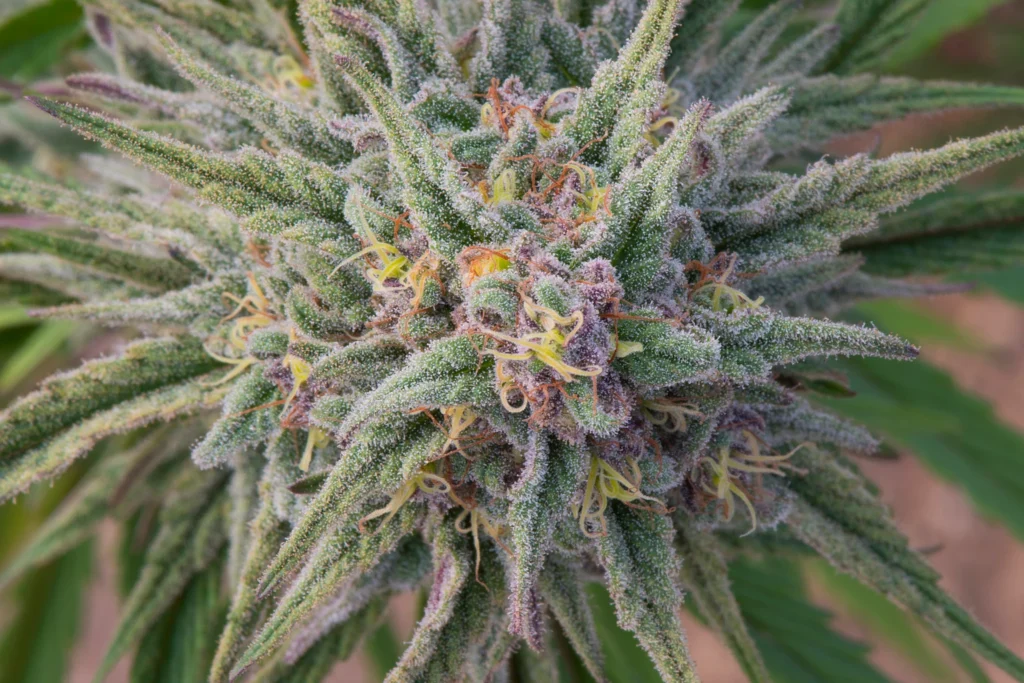
Strain type guides influence many shifts in cost across stores today and shape most price points buyers see. Indica strains often cost more due to slow growth and extended care requirements, with these extra efforts clearly reflected in the price. Sativa strains grow quickly, so stores often price them lower, and their fast cycles help farms maintain steady output throughout the year. Hybrid strains fall in between, shifting with regional demand, and many farms use these types to balance stock when demand rises. For enthusiasts looking to complement their experience, the best cannabis apparel also reflects these trends in style and variety.
Quality and grow care change costs across many legal shops, and these parts often guide how each rate is set across zones. Indoor grow work needs more gear, so flower costs rise fast, and each tool adds weight to the final shop rate. Outdoor grow work uses sun power, so costs stay lower, and farms rely on seasons to keep a steady yield at a fair price. Each method sets the tone for the final cost today, and buyers check these notes to judge fair value.
Local laws add fees that shift the cost of marijuana flower, and change final shop rates daily in many regions. Store tax rules push cannabis flower cost per gram higher fast, and these rules move with state laws that shift each year. Markup rules change with zone laws that shops must obey, and these rules shape how stores build stable price plans for buyers.
Average Price per Gram in 2026
Current Market Pricing
| Flower Type | Price Range per Gram |
| Low Grade | 4 to 7 dollars |
| Mid Grade | 8 to 12 dollars |
| Top Grade | 13 to 20 dollars |
These price tiers help buyers judge fair rates in simple ways, and they guide people through daily shopping choices with more confidence. Low-grade options serve people who want mild effects at low cost, and they help users stretch their budget without losing access to flower. Mid-grade types give balanced value that fits most daily users well, and they offer steady strength without sharp price jumps. Top-grade flower costs more due to high care needs and strong plant traits, and these traits reflect long grow cycles and strict test levels.
The table shows how costs change with flower quality across legal shops, highlighting how each step in the growing process affects price. Each tier reflects growing methods, testing levels, and care practices from farms, explaining why flower rates vary from zone to zone. People use this information to plan purchases and minimize overspending, relying on these guides to manage long-term use and identify the best cannabis strains for anxiety.
State zones show wide shifts in rates across many shops now, and demand changes push numbers higher in busy regions where buyers stay active all year. Some states have high tax rules that raise final numbers fast, and these rules force buyers to plan spend with care and study local menus first.
Other zones have mild fees, so the price stays more fair today, and buyers get more grams for the same daily budget when taxes stay low. These shifts show how location shapes real cost and guides smart buys, and they help people pick the right place to shop.
Marijuana prices by gram change with farm reach and truck routes across states, and long travel paths raise cost when fuel rates rise. Weather shifts change supply, so rates move with time and force shops to adjust, and this makes costs vary across months. The average price of a gram of cannabis stays tied to demand levels across each zone, and these levels set the pace for buyers’ planning.
Understanding Common Quantities
Buying by the Gram, Quarter, Eighth, and More
A quarter holds seven grams that suit mid-use habits well, and gives buyers enough flower to plan steady use through the week. This amount helps people keep costs low while still testing many strain types, and helps them judge plant strength with simple checks. It also helps users track how long each strain lasts over days, and guides future buy plans with clearer insight.
An eighth holds three point five grams for short use needs, and helps new buyers try strains without large spend. This amount gives space to test flavor, smell, and plant effects in calm ways, and helps people learn how each strain fits their daily needs. It also helps people avoid waste when they want only small test amounts, and keeps their budget steady through each trial.
A half ounce holds fourteen grams for long-term plans, and helps buyers save money through bulk buys. People use this amount to plan weeks of use with clear cost control in mind, and they enjoy steady access without many store trips. Bulk buys help reduce final spend, and give buyers steady flower access that lasts through long weeks.
Dime bags give small buys when people want quick test packs, and these small packs help new users learn plant effects fast. These tiny buys keep spending low while still giving clear plant insight, and help users compare strains without a large commitment. How many grams in a quarter/eighth/half ounce guide buys and helps users plan their spending with careful steps. Dime bag marijuana helps people try strains without large spending and keeps testing simple.
How to Buy Marijuana by the Gram
Tips for Smart Purchases
Dispensary staff guide new buyers through many plant types now, and they help users understand each strain with simple words. Staff teach people how to judge smell, feel, and look before they buy. Delivery shops give fast drops for people with tight time blocks, and they offer clear menus that make picks easy. Both help users find fair rates based on daily needs now, and they guide buyers with honest tips.
Pre-weighed packs give clear data to help buyers trust each gram bought, and these packs show exact weight, so buyers feel safe. Labels show grow type and test rates that guide smart picks, and these notes help users compare strains with ease. This keeps pre-weighed marijuana flower costs clearer and helps people avoid bad picks.
People pick low-rate strains to find affordable marijuana flower prices, and these strains give mild effects at a fair cost. Stores post deals on low-demand days to help users save, and these deals help people stay within budget. These picks help buyers plan long-term flower spend, and they guide smart use over weeks.
How to buy marijuana by the gram depends on clear facts now, and buyers lean on guides to make each choice simple.
Comparing Cannabis Strains by Price
Cost Differences Across Strains
Sativa strains cost more in zones with light farm rules, and this rate shift comes from long grow times in many farms. These strains grow tall and need more space, so farms set higher rates to cover care steps. Indica strains cost more in zones with small farm land, and these strains grow dense, so they need careful trim work. This trim work adds weight to the final cost, and shops reflect that in daily rates. Hybrid strains shift in cost as demand moves with time, and farms use these blends to match market needs through each season.
High THC strains cost more due to their demanding daily care, and strict testing requirements add to their price. Low THC strains are less expensive, as they require lighter grow efforts and often reach full size with less attention. These trends guide buyers when purchasing a gram of weed at local shops, helping them judge fair value. Comparing cannabis strain costs allows people to make smarter choices, while also providing clear steps for planning flower needs and understanding how long do cannabis edibles last.
Tips to Get the Best Value
How to Stretch Your Marijuana Budget
Buy in bulk to cut final spend when costs grow fast, and use these bulk packs to keep your weekly plan steady. A quarter helps reduce rates for people with high-use plans, and this amount gives enough flour for long days. A half ounce helps users save more over long weeks now, and this size helps people keep spending low with smart choices.
Dispensary discounts help buyers get more with each flower buy, and shops post deal days that guide smart users. Loyalty deals build value for people who shop each month, and these deals help buyers plan their spending with ease. These deals help buyers plan spending in simple steps, and this plan gives people more room in their budget.
Potency and quantity guide cost choices for many users today, and these factors shape how people pick grams. High THC grams cost more, so users check first, and they judge if they need strong or mild effects. This helps people follow a clear marijuana gram price guide and keeps their picks smart and steady.
How much does a gram of marijuana cost remains key now, and buyers use guides to track these rates each week.
Legal Considerations When Buying
Stay Compliant
Age rules guide who may buy flowers from legal shops now, and these rules help keep the process fair for all users. People must show a valid ID to prove they meet set rules, and shops check these IDs to follow state laws. Limits apply to how much each person may buy per day, and these limits keep the flower supply steady for all buyers.
Licensed shops give safe buys for people who want clear facts, and they follow strict standards that protect buyers. Illegal sources risk harm, so people avoid such points, and they also bring unclear rates that confuse new users. Legal shops help people learn how much weed costs in a dispensary, and they teach buyers how to study menus before buying.
Taxes add weight to cost and change rates across many states, and these fees shift each year with new laws. Fees move with zone laws, so users check menus first, and this helps buyers plan their spending with clear numbers in mind.
Conclusion
Get the Best Cannabis for Your Budget
Price points shift depending on strain types and farm care methods, and these changes help buyers plan their spending with clearer steps. Shoppers monitor supply trends to manage their budgets effectively, while studying menus allows them to judge fair rates before making a purchase. Today, people check menus at local shops to secure fair deals, and these listings help users compare strains with calm, steady logic. Each menu on the Alaska Cannabis Exchange shows price trends that guide buyers through weekly planning.
Local menus help people compare rates in quick, clear ways, and these lists show deals and stock that guide smart picks. People rely on these lists to pick good flowers fast, and they use this info to plan long-term use with ease. These guides help users avoid high-rate strains and keep their spending under control each month.
Compare marijuana prices by gram today and get the best value for your flower needs.
Marijuana flower cost per gram will guide buyers this year, and help them track clear price trends with simple daily checks.
FAQs
Marijuana Price Questions Answered
Buying single grams helps new users test strains with low spend, and this helps them avoid bulk buys that may not fit their needs. Grams cost more per unit than ounces, but they give more freedom for short use. Many buyers start with grams to study effects, and then shift to ounces when they know their ideal strain. Marijuana flower cost per gram helps buyers compare rates when they plan these steps.
Store rates shift due to tax rules, grow supply, and markup plans, and these parts vary between local shops. Some shops get lower supply rates from farms, so they offer fairer deals. Other shops face high fees due to zone rules, and they must raise rates to stay stable. These factors explain why users see wide cost gaps in one zone, and why marijuana prices by gram change with location.
Many shops post deal days for buyers who want fair rates, and these deals often match slow shop days with lower demand. Shops rarely change listed rates on request, but they give rewards to loyal buyers. These rewards help users lower their spending through points or small discounts. Asking for clear deal info can help buyers plan for better timing and track marijuana prices by gram across weeks.
Users check smell, feel, and look to judge the grade, and these signs show plant care at each step. Strong smell and tight buds show good grow work, and this often means fair cost. Weak smell and dry buds show low care, and users judge these picks with caution. People use these checks to match cost to quality with more comfort, guided by Marijuana flower cost per gram charts.
Dime bags help buyers test strains with very low spend, and this makes them ideal for people who want simple trials. These small packs show effects fast without major risk, and they help new users compare strains with ease. Dime bags cost more per gram, but they offer fast insight for people who want clear tests. Users track marijuana prices by gram to know if these small packs fit their plan.