

A Simple Explanation for First-Time Readers
So what is a bong exactly? It is a water pipe used to smoke dry herbs. The design uses water to cool and filter smoke before you inhale it.
Many people wonder what a bong is and why it looks so different. Unlike regular pipes, it has a chamber filled with water. This water does most of the work.
Bongs are popular because they feel smoother on the throat. The smoke passes through water first, which cools it down and removes some harsh particles. To use one, you pack a cannabis bowl in the bowl piece attached to the bong. You might see bongs in many shapes and sizes. Some are tall. Some are short. Some look like art pieces. But they all work the same basic way.
This guide will walk you through everything. You will learn what a bong is and how it works. You will also learn how to use one properly. We will cover parts and cleaning, and common mistakes, too. By the end, you will have a full picture. No confusion. No guessing. Just clear and simple facts.
What Is a Bong?
Basic Definition
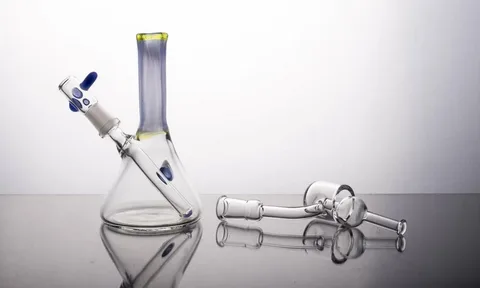
A bong is a smoking device that uses water for filtration. Smoke travels through water before reaching your lungs. This process cools the smoke and makes it less harsh. The word bong comes from a Thai word called “baung.” It refers to a bamboo tube used for smoking. Today, most bongs are made from glass or silicone.
Here is how it works in simple terms. You light your material in the bowl. Smoke travels down into the water. Then it bubbles up through the chamber. Finally, you inhale through the mouthpiece.
The water acts like a filter. It traps some ash and particles. It also cools the smoke, so it feels softer on your throat. Now, let us talk about what water does not do. It does not remove all harmful stuff. Smoke still contains things that are not good for you. Water just makes the experience smoother.
Common Materials Used
Bongs come in many materials. Each one has its own pros and cons. Let us look at the most common types.
Glass is the most popular choice. It gives a clean taste and looks great. But it breaks easily if dropped. Glass bongs are easy to clean, too.
Silicone is flexible and almost unbreakable. It is great for travel or outdoor use. The taste is not as pure as glass. But it lasts a long time.
Acrylic is cheap and lightweight. It works fine for casual users. The taste is not the best, though. And it can scratch or cloud over time.
Ceramic bongs look artistic and unique. They hold heat well and feel solid. But they are heavy and break easily. Cleaning them can also be tricky.
Main Parts of a Bong and What They Do
How Each Part Works Together
Every bong has key parts. Each one plays a role in how it works. Let us go through them one by one.
Bowl
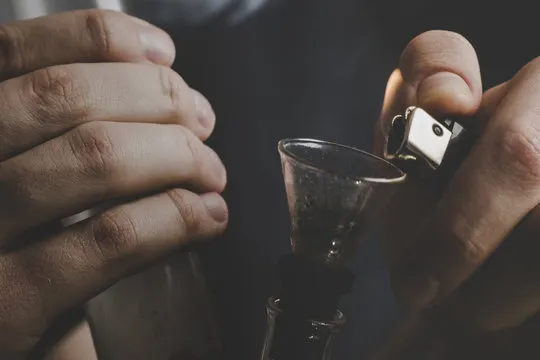
The bowl holds your dry herb. It sits on top of the downstem. You pack your material here and light it. Bowls come in different sizes. Smaller bowls are great for solo use. Larger ones are better for groups. Most bowls are removable for easy cleaning.
Downstem
The downstem is a small tube that connects the bowl to the water. Smoke travels down through this tube. It then enters the water chamber below. Some bongs have built-in downstems. Others have removable ones. Removable downstems are easier to clean and replace.
Water Chamber
This is the main body of the bong. It holds the water that filters and cools the smoke. The size of this chamber affects how much smoke you can take in. Larger chambers hold more smoke. Smaller ones give quicker hits. The water level in this chamber matters a lot. We will cover that later.
Mouthpiece
The mouthpiece is where you place your lips. You inhale from here after the smoke fills the chamber. A good seal around the mouthpiece is key. Mouthpieces vary in size and shape. Some are wide. Some are narrow. Comfort matters here, so pick what feels right.
How Does a Bong Work?
Step-by-Step Smoke Filtration
Now you know the parts. Let us see how they all work together. This is the water pipe smoking method in action. First, you light the material in the bowl. Heat turns it into smoke. That smoke needs somewhere to go.
It travels down through the downstem, which sits submerged in water. The smoke enters the water and bubbles upward. As it passes through, it cools down quickly, while the water catches some ash and debris. This is why bongs feel smoother than other methods and why many people visit an affordable cannabis shop to find one that fits their needs.
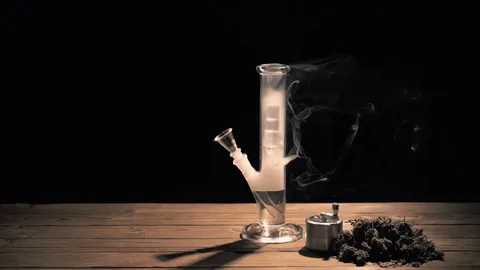
After bubbling, the smoke rises into the chamber. It fills the empty space above the water. This is called “milking” the bong. Once the chamber is full, you remove the bowl. This lets fresh air rush in. Then you inhale the smoke quickly.
The whole process takes seconds. But a lot happens in that short time. Water filtration is what makes bongs unique. Here is something important. Water does not make smoking safe. It just makes it feel less harsh. Smoke still contains stuff that can affect your lungs.
How to Use a Bong Properly
Simple Step-by-Step Instructions
Let us break down exactly how to use a bong. Follow these steps, and you will do it right.
Step 1: Add Water Correctly
Pour water into the chamber through the mouthpiece. Add enough to cover the bottom of the downstem. About one inch of water works for most bongs. Too much water causes splashing. Too little water skips the filtration. Test it by inhaling without lighting anything. You should hear bubbles but not feel water.
Step 2: Pack the Bowl
Grind your dry herb evenly. Do not grind it too fine, or it might pull through. Place it loosely in the bowl. Do not pack it too tight. Air needs to flow through the material. A loose pack burns more evenly and gives better results.
Step 3: Light and Inhale Slowly
Hold the bong steady with one hand. Use your other hand to light the bowl. Inhale gently as you light. Take slow and steady breaths. Do not rush it. Watch the chamber fill with smoke. This is where patience pays off.
Step 4: Clear the Chamber
Once the chamber fills with smoke, stop lighting. Remove the bowl from the downstem. This opens the airflow. Now inhale firmly to pull all the smoke into your lungs. This clears the chamber completely. Leaving smoke inside wastes your material.
Step 5: Exhale and Reset
Breathe out slowly. Set the bong down carefully. Replace the bowl if you want another round. Empty the chamber after each hit. Stale smoke tastes bad and feels harsh. Fresh hits are always better.
Common Mistakes People Make When Using a Bong
Avoid These First-Time Errors
Everyone makes mistakes when starting out. Here are the most common ones and how to fix them.
Too much water is a classic error. People think more water means better filtration. But it just causes splashing. You might even swallow bong water. Gross.
Inhaling too fast is another issue. New users often pull hard and fast. This leads to coughing fits. Slow and steady wins here every time.
Overpacking the bowl restricts airflow. When you pack too tight, air cannot pass through. This makes it hard to draw smoke. Keep it loose.
Skipping cleaning is a big mistake. Dirty bongs taste terrible. They also smell bad. Resin builds up and affects your experience. Clean often.
Poor seal around the mouthpiece wastes smoke. If air leaks in you lose suction. Press your lips firmly but not too hard. A good seal matters.
Bong vs Other Smoking Methods
How It Compares
People often ask how bongs compare to other methods. Let us look at a few side by side.
Bong vs Hand Pipe
Hand pipes are small and portable. They fit in your pocket easily. But they do not filter smoke through water. Bongs are larger and less portable. But they give smoother hits. The choice depends on where and how you smoke.
Bong vs Rolling Papers
Rolling papers are cheap and simple. You roll your material and light it. There is no water involved at all. Bongs give a different experience. The smoke is cooler and less harsh. Papers are more convenient. Bongs are more comfortable.
Bong vs Dry Pipe
Dry pipes and bongs look different but work similarly. Both burn material and deliver smoke. The key difference is water filtration. Dry pipes skip the water step. Smoke goes straight from the bowl to the mouth. Bongs add water to the path. That one step changes everything.
How to Clean a Bong Properly
Cleaning your bong is not optional. It affects taste and hygiene, and how well it works.
How Often to Clean
Clean your bong after every few uses. If you use it daily, clean it twice a week. Heavy buildup means you waited too long. Fresh water should be added every session. Old water gets dirty and smelly fast. Think of it like a coffee cup you never wash.
Basic Cleaning Steps
Empty all the water first. Remove the bowl and downstem. Rinse each part with warm water. Add coarse salt and rubbing alcohol to the chamber. Cover the openings and shake well. The salt scrubs. The alcohol dissolves the resin. Rinse everything with hot water after shaking. Let it dry before using it again. Clean parts work better and last longer.
Why Regular Cleaning Matters
Dirty bongs taste awful. Resin changes the flavor of everything. It also builds bacteria over time. A clean bong hits smoother. It looks better, too. Plus, it shows you care about your gear. Treat it well, and it treats you well.
Safety Tips and Responsible Bong Use
Important Things to Know
Look, there are some basic rules to follow here. They keep things safe and clean for you and everyone around you. First off, do not share your mouthpiece with random people germs spread super fast through saliva. If you are in a group setting, bring your own mouthpiece cover. It just makes sense, especially if you’re considering whether cannabis can replace alcohol in social situations.
Now, let us talk about water. Change it often. Stale water grows mold and bacteria pretty quick. That stuff is not just nasty-looking. It can actually make you feel sick, too. Glass bongs are fragile. One small fall and it shatters into pieces. Store yours in a padded case or a safe spot away from edges. Treat it like something you paid good money for.
Conclusion
Clear Understanding Leads to Better Use
So there you have it. You now know what a bong is and how it actually works. Pretty simple once you break it down, right? We walked through every single part. You learned how smoke moves through water. You also picked up tips to avoid those common errors. Here is the thing about cleaning, though. Alaska Cannabis Exchange reminds users that most people skip it way too often. But it matters a lot for taste and for your health.
Make it a regular habit. Once you understand the basics, bongs are easy. The water does most of the work for you. Just follow the steps and take it slow. Save this guide for later if you need it. Come back anytime for a quick review. Knowing how a bong works helps you use it right. Stay informed and stay responsible.
FAQs
A bong is used for smoking dry herbs. The water inside cools the smoke and filters it too. Many people prefer bongs over pipes or papers. Hits just feel much smoother on your throat and lungs.
Honestly, not really. A bong is just one type of water pipe. Most folks use both terms in the exact same way. Both refer to a device that filters smoke through water. Same thing, really.
Just enough to cover the bottom tip of the downstem. About one inch works fine for most bongs. Pull some air through first without lighting anything. If it bubbles nicely, you are good to go.
Bongs are way less harsh than other smoking methods out there. The water cools things down before the smoke hits your throat. But pulling too hard or fast can still make you cough. Just take it slow.
If you use it a lot, clean it once a week at least. Swap out the water after every single use. This keeps it tasting fresh and working the way it should. Trust me on this.
For sure, they can. Just start with small hits and learn the basic steps first. There is no need to rush anything at all. Take your time and go slow. You will get the hang of it.