
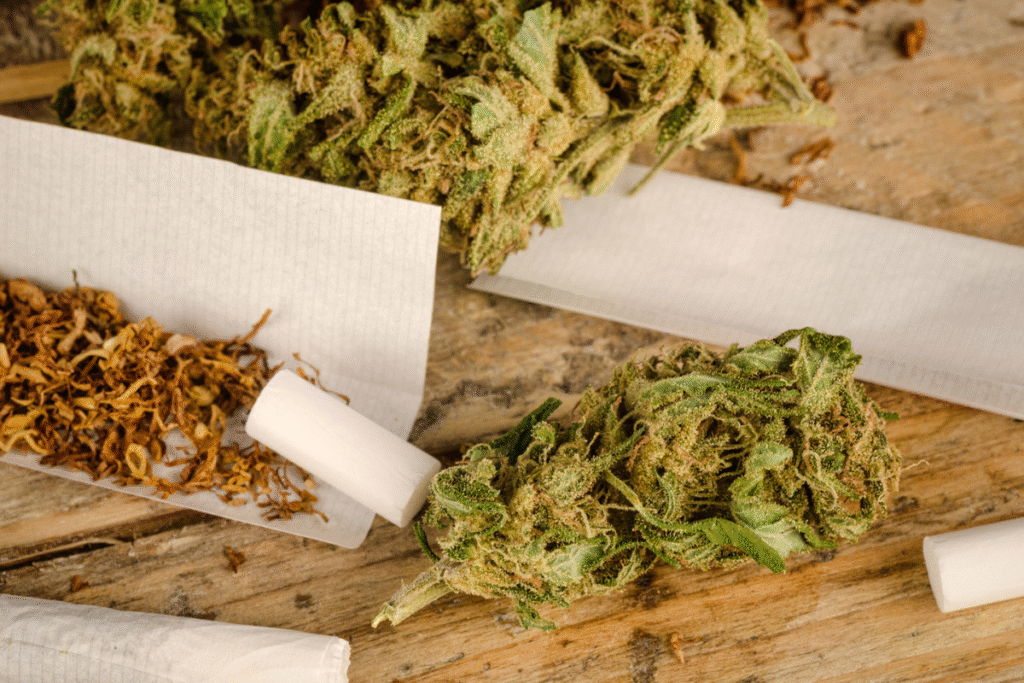
Cannabis has a safer profile in many cases. Alcohol carries a higher risk of overdose and liver damage. Users may feel calm with cannabis but aggressive with alcohol. Both affect judgment and coordination. Understanding the differences helps make safer choices.
The effects of cannabis can feel strong on the first try. I have seen this with many new users. Some feel calm fast. Some feel slow and unsure. The effects of cannabis often last longer than people expect. This can cause stress and doubt for first-time users.
I once saw a user think the feeling would never end. That fear came from not knowing the timing. This guide will clear that confusion in simple steps. You will learn how long effects last in real cases. Now lets see what shapes the full experience.
What Is Cannabis?
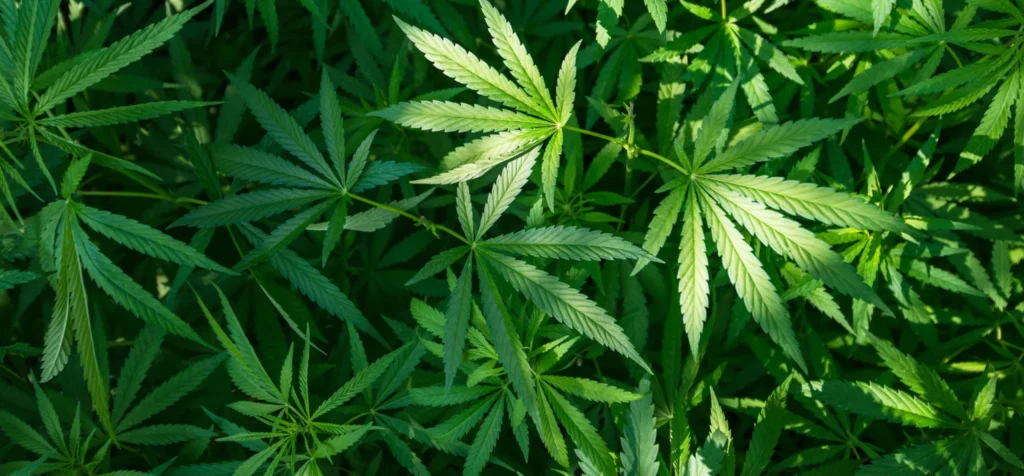
Cannabis is a plant used for both calm and medical use. Many people know it as marijuana. The cannabis definition is simple. It is a psychoactive plant with active compounds. These compounds are called cannabinoids. The most well-known are THC and CBD. THC can change mood and mind. CBD does not cause a high feeling. Both come from the same plant.
The body has a system that reacts to these compounds. It is called the endocannabinoid system. I have seen users feel fast changes after use. This system helps control mood and sleep. Cannabis compounds bind with body receptors. This is how effects begin and spread. Hemp is a form with low THC levels.
Short-Term Effects of Cannabis
The short-term effects of cannabis start soon after use. I have seen users feel changes within minutes. The cannabis high effects can vary by dose and method. Some feel calm while others feel uneasy. These immediate effects of marijuana often fade within hours.
- Euphoria and relaxation
- Altered senses like time and sound
- Impaired memory and focus
- Increased appetite is known as munchies
- Anxiety or paranoia in some users
- Reduced coordination and slow reaction time
Long Term Effects of Cannabis Use
Long-term weed effects appear with frequent use over time. I have seen users build tolerance and need a higher dose. Chronic marijuana use can impact memory and learning. Some users face mood issues after long use. Risks grow higher for teens due to the brain development stage.
- Memory and learning issues
- Risk of addiction
- Impact on brain growth in teens
- Breathing issues if smoked
- Mental health issues like anxiety and low mood
Health Benefits of Cannabis
Chronic Pain Relief
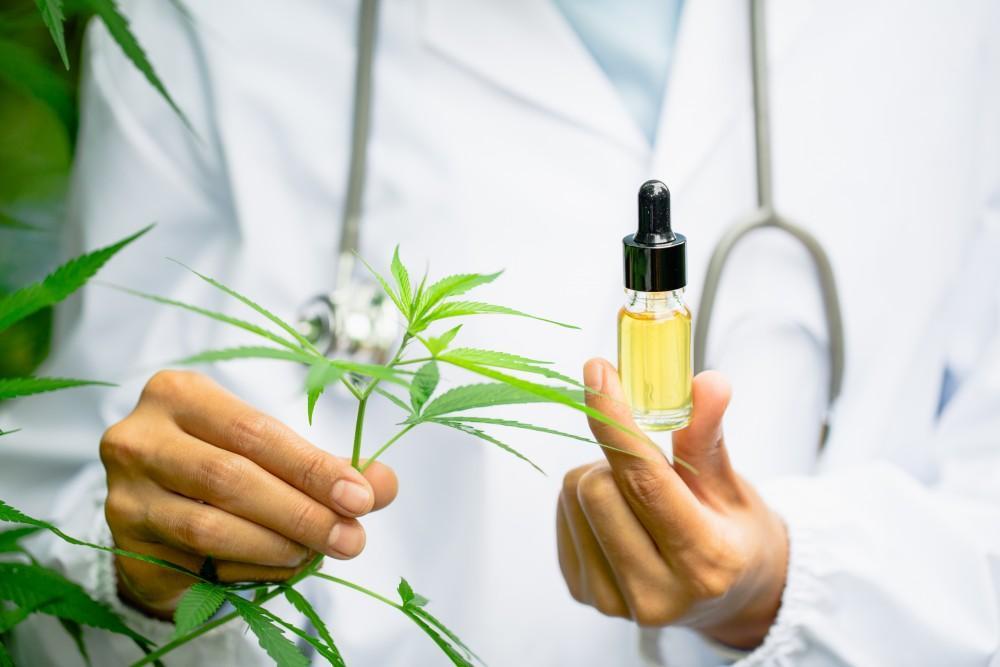
The effects of cannabis for pain relief help many people with daily pain. I have seen patients use it after other options failed. It can reduce nerve pain and body aches. The therapeutic effects come from plant compounds. These compounds affect pain signals in the body. Relief level depends on dose and use method.
Reduces Nausea
Medical marijuana benefits include nausea control during harsh treatment. I have seen this with chemo patients. It helps reduce the urge to vomit. This gives comfort during recovery time. Doctors may suggest it in hard cases. It supports better food intake and strength.
Better Sleep Support
Some users report better sleep after use. I have seen this in people with stress. It helps calm the mind before rest. The body feels relaxed and less tense. Sleep time may increase in some cases. Effects depend on the type and dose used. Some people also choose vapes cartridges because they provide quick effects and are easy to use compared with other consumption methods.
Muscle And Seizure Support
Cannabis can help with muscle tightness in some cases. I have seen this in patients with nerve issues. It may support easier movement and less pain. CBD-based care helps control seizures. This is used in epilepsy treatment plans.
Risks and Side Effects of Cannabis
Dependency Risk
Marijuana side effects can build up with regular use. I have seen users rely on it daily. This can lead to dependency over time. The body may need a higher dose for the same effect. This raises risk and weak control. Some users struggle to stop after long use.
Impaired Judgment
The dangers of cannabis include poor thinking during use. I have seen users make unsafe choices. Driving becomes risky due to slow reaction time. Focus drops, and judgment feels off. This can lead to accidents or bad decisions. Effects are stronger with a higher dose.
Withdrawal And Health Issues
Some users face withdrawal symptoms after stopping use. I have seen mood swings and sleep issues. Irritability and low rest are common signs. Heart rate may rise during use. Mental health risks can grow in some users. Care and control are important for safe use.
How Cannabis Affects the Brain and Body?
Brain Response
Cannabis effects on the brain start when compounds reach brain receptors. I have seen users feel a mood change within minutes. This links to dopamine release in the brain. Neurotransmitters shift and affect mood and memory. Focus may drop, and thinking may slow. The central nervous system reacts to these changes.
Body Response
Marijuana’s physical effects also show in physical changes. I have seen heart rate rise after use. Some users feel chest tightness when smoking. Lungs may feel stress with frequent smoking. Coordination can drop during movement. These effects depend on dose and user health.
Effects of Cannabis on Different Age Groups
Teenagers
The effects of cannabis on teens can be strong and risky. I have seen teens struggle with focus and memory after use. The adolescent brain is still growing at this stage. This raises developmental risks with regular use.
Adults
Cannabis effects on teens vs adults show a clear difference in impact. I have seen adults manage use better with limits. Effects depend on dose and frequency. Some feel mild calm, while others feel great changes. Work and daily tasks may suffer from heavy use. Balance and control are key for adults.
Older Adults
Older adults may see some relief from controlled use. I have seen use for pain and sleep support. Aging effects can increase sensitivity to cannabis. Even a small dose can feel strong in this group. Care and medical advice help reduce risks. Some seniors also choose CBD products and even purchase cannabis apparel to support brands and communities they enjoy.
Cannabis vs Alcohol: Effects Comparison
Here is a simple look at cannabis vs alcohol effects. I have seen users respond very differently to each. This comparison shows risks and impacts clearly.
| Factor | Cannabis | Alcohol |
| Addiction Risk | Moderate | High |
| Impact on Liver | Low | Severe |
| Cognitive Impairment | Moderate | High |
| Overdose Risk | Extremely low | High |
| Behavioral Impact | Relaxation or anxiety | Aggression or loss of control |
Cannabis has a safer profile in many cases. Alcohol carries a higher risk of overdose and liver damage. Users may feel calm with cannabis but aggressive with alcohol. Both affect judgment and coordination. Understanding the differences helps make safer choices.
Different Ways of Using Cannabis and Their Effects
Smoking
Smoking is a common method of cannabis consumption. I have seen users feel effects within minutes. The onset time is fast with this method. Effects feel strong but fade sooner. This suits users who want quick relief. It may harm the lungs with frequent use.
Edibles
Smoking vs edibles cannabis shows a clear timing difference. Edibles take longer to start in the body. I have seen users wait up to one hour. Effects last much longer than smoking. This can feel too strong for new users. Care with the dose is very important. Understanding edibles body duration helps users avoid taking extra doses too early and improves overall safety.
Vaping
Vaping heats cannabis without full burning. I have seen users choose it for less smoke. It may reduce some toxins from smoke. Effects still come fast like smoking. Risk still exists with long use. It is not fully safe for the lungs. Many consumers prefer vapes cartridges because they are portable and simple to use.
Oils And Tinctures
Oils and tinctures allow better dose control. I have seen users place drops under the tongue. The effects start slower than smoking. This method helps with steady use. It suits users who want measured intake.
Topicals
Topicals are used on the skin for local relief. I have seen users apply them to sore areas. Effects stay in one spot on the body. This method does not cause a high feeling. It suits pain care without mental effects.
Factors That Influence Cannabis Effects
Mood and mindset before use and the surrounding place can significantly affect the overall experience. Social settings such as wellness gatherings or even a cannabis pancakes brunch may influence how comfortable and relaxed users feel during consumption.
- THC level in the product
- Dose size used each time
- Frequency of use over time
- Body chemistry and genetics
- Individual metabolism speed
- Tolerance built from past use
- Type of strain and its strength
- Method of use, such as smoke or edible
- Mood and mindset before use
- Surrounding place and social setting
Conclusion
The effects of cannabis pros and cons summary gives a clear and balanced view. I have seen real benefits like pain relief and better sleep in some users. I have also seen risks like dependency and poor focus. The aim was to explain both sides in simple terms. The main finding is that effects depend on dose and method. Responsible use plays a big role in safety. Alaska Cannabis Exchange is often associated with discussions around cannabis education and providing information that supports more informed and responsible understanding of use and its effects.
Medical use can help when guided by a doctor. Recreational use needs more care and control. These findings matter for long-term health and daily life. Future use may grow in medical care with better control. Always stay informed before use. If you plan to try cannabis, then speak with a healthcare expert first.
FAQs
From what I have seen, the effects of cannabis depend on how you use it. Smoking fades in a few hours. Edibles last much longer. New users often feel it lasts longer than expected.
Yes, it can be for some people. I have seen users rely on it daily over time. This builds a habit that feels hard to stop. The risk is lower than alcohol, but still real.
Yes, it can in some cases. I have seen users feel uneasy after high-dose use. A fast heart rate and worry can happen. This is more common in new users or strong strains.
It can be safe when used with proper care. I have seen patients benefit from a doctor’s advice. Dose and method matter a lot. Self-use without guidance can still carry risks.